Building a strong personal brand can help commodity trading professionals stand out in a competitive and fast-moving industry. Whether you’re an experienced trader, an analyst, or just starting your career, establishing yourself as a knowledgeable and trustworthy voice can open doors to new opportunities, strengthen your professional network, and enhance your career prospects. From sharing…
Read MoreCommodities
Impact of Renewable Energy on Fossil Fuel Commodities
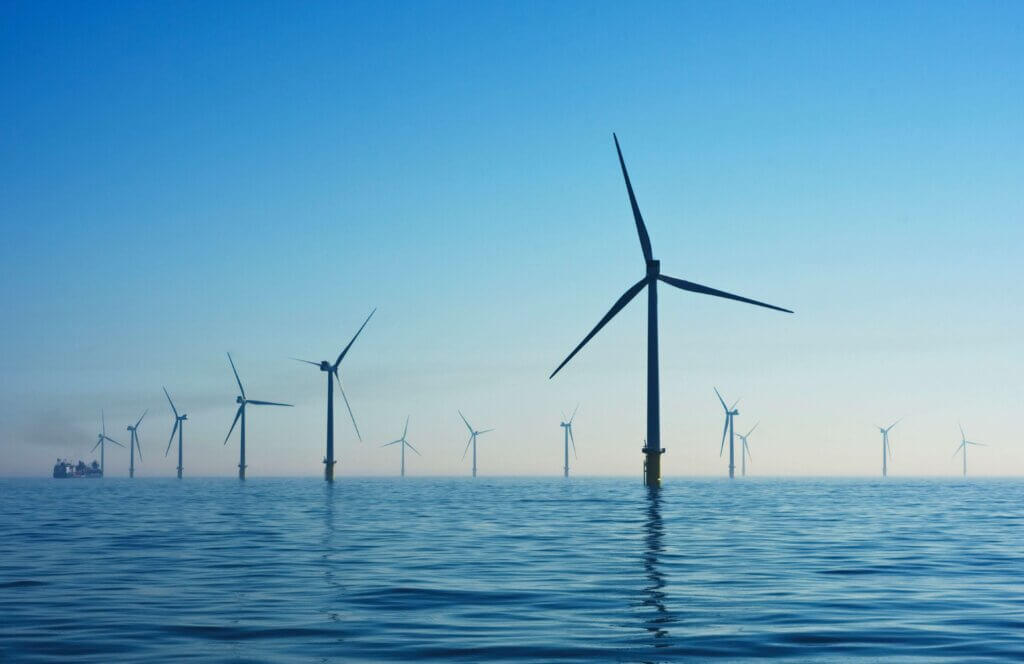
The global energy transition is well underway, and its impact on fossil fuel commodity markets is becoming increasingly impossible to ignore. As solar, wind, and other renewable energy sources keep scaling, the demand outlook for oil, gas, and coal is shifting in ways that are reshaping investment strategies, supply chains, and the economies of entire…
Read MoreElectric Vehicles and the Impact on Metal Commodities

The rise of electric vehicles is one of the most significant structural shifts the global commodity markets have seen in decades. As governments around the world accelerate their net-zero commitments and consumers increasingly embrace cleaner forms of transport, the demand for the metals that make electric vehicles possible has surged to levels that are reshaping…
Read MoreThe Difference Between Hard and Soft Commodity
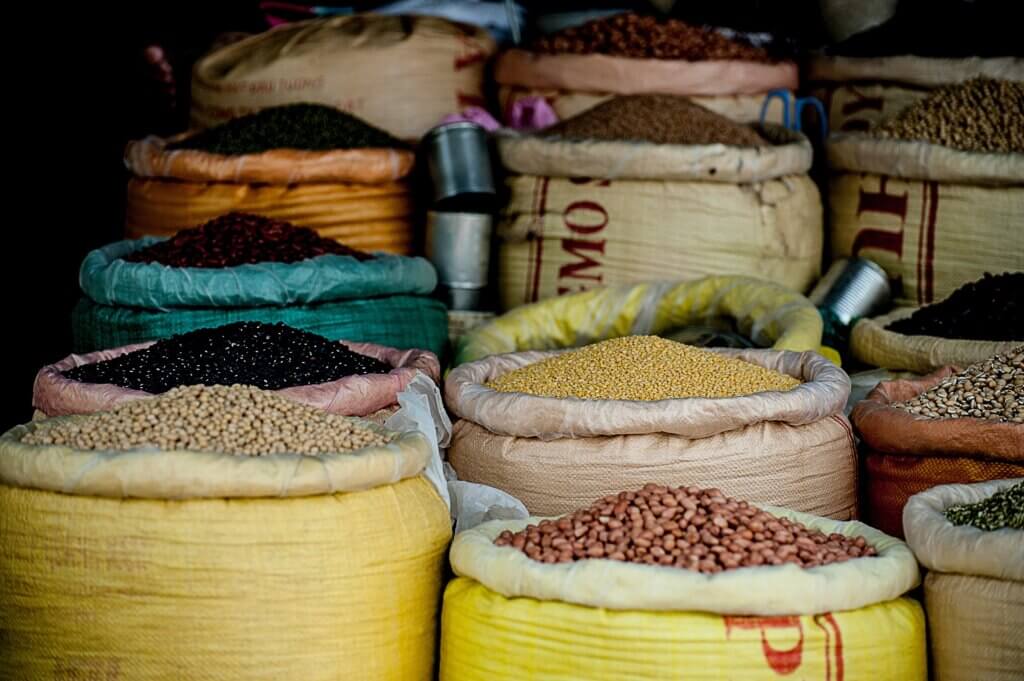
Commodities play a vital role in the global economy, from powering industries to supplying food and raw materials. While all commodities are traded in similar markets, they are generally divided into two main categories: hard commodities and soft commodities. Understanding the difference between the two provides a stronger foundation for anyone interested in commodity trading…
Read MoreWhat Is Hedging in Commodity Trading?

Commodity prices can rise and fall unexpectedly, creating uncertainty for businesses that produce, buy, or sell raw materials. From changing weather patterns to geopolitical tensions and shifts in supply and demand, many factors can influence commodity prices. Hedging is one of the most effective ways businesses manage this uncertainty, helping them reduce risk and make…
Read MoreThe Importance of Geopolitical Risk Management in Commodities
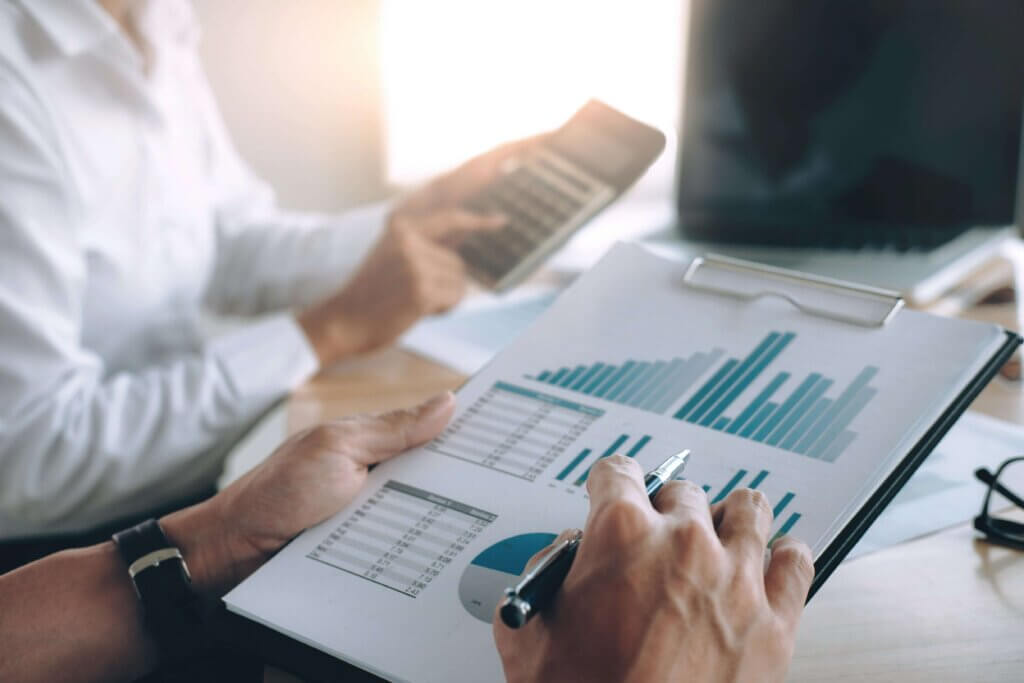
Commodity markets have always been shaped by the world’s political landscape, but in today’s increasingly fragmented and unpredictable geopolitical environment, the stakes have never been higher. From wars disrupting grain supply chains to sanctions cutting off entire energy markets overnight, geopolitical events can send commodity prices soaring or crashing in a matter of hours, with…
Read MoreThe Role of Hedge Funds in Commodity Markets
Hedge funds have become some of the most powerful and controversial players in global commodity markets. With billions of dollars under management, sophisticated trading strategies, and the ability to move quickly in response to market signals, they wield an influence that extends far beyond their own portfolios, shaping prices, affecting liquidity, and at times amplifying…
Read MoreTurning Internships Into Full-Time Roles

Getting a commodity trading internship is a huge accomplishment. You may be working for a global energy giant, a boutique agricultural house or one of the world’s major investment banks, but you’ve had a front-row seat to the markets that power the world. But an internship is basically a multi-week job interview. It’s not just…
Read MoreCommunication In Commodity Trading

In the world of global trade, modern civilisation runs on commodities such as crude oil, wheat, copper and natural gas. People tend to stare at the flashing red and green numbers on a trading screen, but the true ‘engine room’ of this industry isn’t just computer code: it is communication. In 2026, with markets moving…
Read MoreIs a Master’s in Finance Worth It for Commodity Trading Roles?

In the fast-paced world of commodity trading, where billions of dollars’ worth of oil, gold and grain change hands every day, the “right” credentials can feel like a moving target. There are many aspiring traders who ask whether they need a Master’s in Finance (MiF) to get into the industry or whether they should just…
Read More