
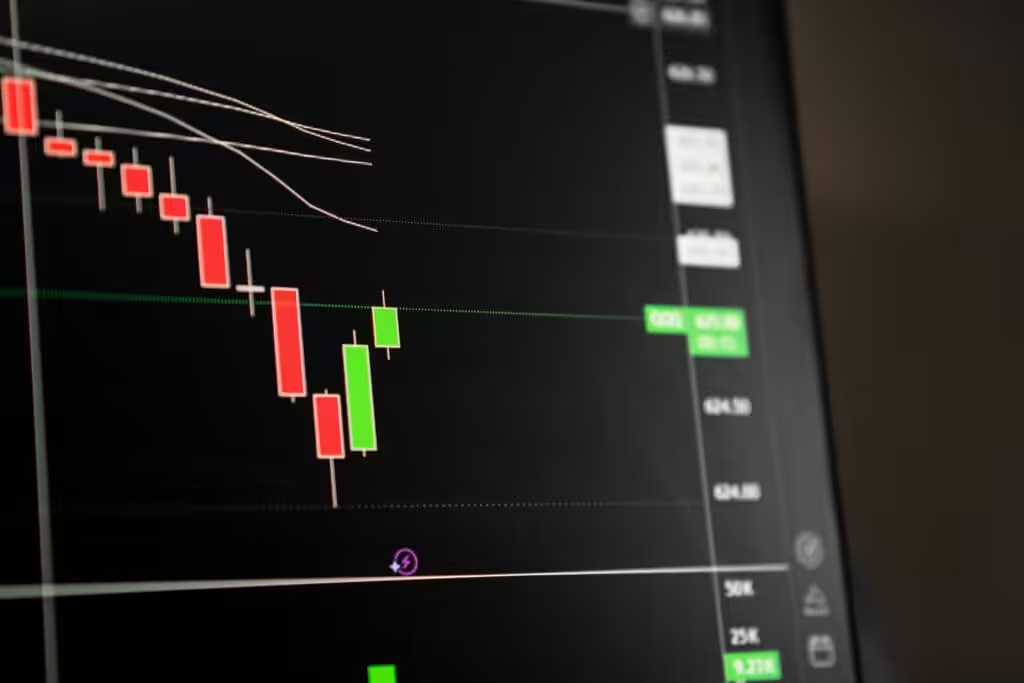
People know that trading in commodities is fast-paced and unpredictable. Prices of oil, metals and farm goods can change in a matter of hours because of things that happen around the world, like the weather or political tensions. The chance to make money is exciting, but every trader also has to deal with losses. The important thing is not to avoid losses completely, which is impossible. Instead, you should learn how to deal with them and bounce back in a way that makes you stronger.
Why Do Losses Happen?
Losses are an unavoidable part of commodity trading, but they don’t have to define a trader’s journey. Understanding why a loss occurred can help traders understand it and prevent it in the future.
Market Volatility
There are many things that can affect the price of commodities, such as natural disasters and political unrest. Because of this instability, even trades that have been carefully planned can lose money. Traders can keep setbacks in perspective when they remember that the market is always changing.
Overexposure to Risk
Sometimes, losses happen because people take on too much risk compared to their other resources. If you don’t manage your risk well, one bad trade can have a big effect. The first step to managing overexposure is to understand how it happens.
Emotional Decision-Making
When you act on fear, greed, or frustration, you often make trades that aren’t in line with a well-thought-out plan. Emotional trading is a common reason for losses, but you can avoid it by being disciplined and sticking to a plan.
Managing the Emotional Impact of Losses
Emotions are front and center in the aftermath of a loss. Directly after a loss emotions will most likely be running high and it is important to deal with these emotions immediately and constructively.
Accepting Losses as Part of Trading
Losses don’t always mean you’ve failed; they’re just part of the learning process. Traders who have been around for a while know that losing trades are unavoidable but temporary. They focus on being consistent over the long term.
Avoiding the Urge to “Revenge Trade”
One of the most common emotional mistakes is going back into the market right away to make up for losses. This often makes people take bigger risks and have bigger problems. After a loss, traders should take a break to think about their strategy again.
Building Emotional Resilience
Journaling your trades, being mindful, or setting clear limits on how much you trade each day are all ways to deal with stress. Emotional resilience helps you get over setbacks without letting them affect your judgement.
Learning from Mistakes
The best way to avoid mistakes in the future is by learning from previous mistakes. Mistakes can be a valuable lesson for any trader.
Keeping a Trading Journal
Keeping track of every trade, including the reasons for it, the entry and exit points and the results, gives you useful information. Over time, this record shows patterns of behaviour that cause losses and strategies that work well.
After a loss, it’s helpful to ask yourself if the strategy was bad or if it was just bad luck because the market was so unstable. Separating mistakes in judgement from things that can’t be helped helps you make better choices in the future without blaming yourself too much.
Seeking Feedback
An outside point of view can sometimes help you see things you didn’t see before. Talking to a mentor, joining a trading group, or taking part in discussions can help you understand why you lost money in a new way.
Rebuilding Confidence
After a loss it is natural to have doubts in regards to your trading abilities. But losses cannot deter traders and they need to take steps to regain and rebuild their confidence.
Start Small Again
A lot of traders find it helpful to cut back on their positions when they’re trying to get back on track. Trading smaller amounts lowers risk and gives you back your confidence in using strategies without the stress of losing a lot of money.
Focus on Process, Not Profit
Focussing on disciplined execution instead of making quick money can help you trust your own decisions again. Following a strategy consistently is often more important than winning in the short term.
Celebrate Small Wins
Recognising small wins, like following the plan or making a good trade, helps you keep up good habits. These little wins help you build up to bigger ones over time.
Practical Recovery Steps
To recover after any loss can be achieved. Practical steps can be taken to recover and these steps must be considered and approached carefully.
Reassess Risk Management Rules
Losses can show where risk controls are weak. Going over stop-loss settings, position sizes and diversification across different commodities can help you protect yourself better against future problems.
Improve Knowledge and Skills
Traders can better navigate the market by continuing their education through books, courses, or mentoring. Learning more makes you more sure of yourself and less likely to make the same mistakes again.
Take Time Away if Needed
Taking a step back can sometimes be the best thing to do to get better. Taking a short break from trading gives your emotions time to settle and gives you room to come back with a clearer mind.
Long-Term Mindset
The basis of recovery is risk management, resilience and a long-term view. In the end, how you deal with losses is more important than how big they are. Traders can not only get back on their feet, but they can also become stronger, more disciplined and better prepared for the challenges of commodity markets if they are patient and think things through.
Trading as a Journey
Commodity trading isn’t about making quick money; it’s about developing long-lasting skills and plans. Thinking of it as a long-term journey makes it easier to deal with losses.
Building Consistency
The best traders stick to their plans and stick to them for months and years at a time. Accepting both wins and losses as part of the process helps things move along.
Using Setbacks as Stepping Stones
Every loss teaches you something that can help you trade better if you think about it carefully. A better way to look at setbacks is to see them as chances to grow instead of problems.