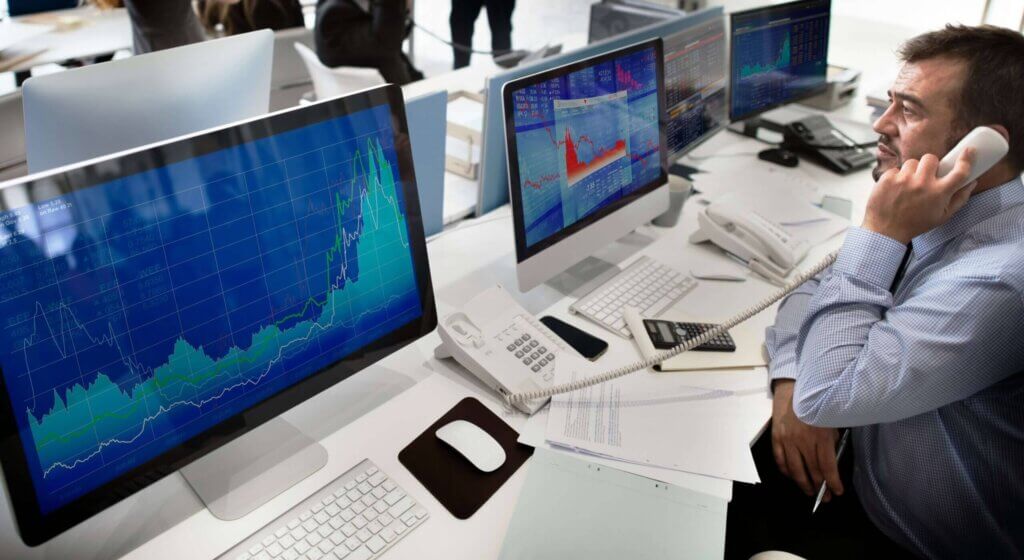
During the golden age of floor trading, the “data feed” was a frantic hand signal across a crowded room or a phone clerk yelling a price. Fiber-optic cables and cloud-based servers have taken the place of the trading floor. In 2026, information speed hasn’t just gone up; it’s become the very basis of the world’s financial system. A real-time data feed is more than just a convenience for today’s traders; it’s the brain of their whole operation.
Closing the “Latency Gap”
Time is money when you trade. “Latency” is the time it takes for an event in the market to show up on your screen. In a world where High-Frequency Trading (HFT) rules, even a few milliseconds of delay can be very bad.
Real-time data feeds connect directly to the exchange’s matching engine. Traders are “flying blind” and looking at prices that have already changed without this. This is very important for managing slippage. When an order is filled at a price that is different from what was expected, this is called slippage. A high-quality, low-latency feed makes sure that the price you see is the price you get, so you don’t lose money because of old information.
Finding the Right Price and Looking at Liquidity
A real-time feed doesn’t just show you the last price a stock or commodity sold for; it also shows you how deep the market is. People often call this Level 2 Data or the Order Book. Traders can tell how the supply and demand are balanced by looking at the real-time bid and ask prices and the number of orders waiting at each price level.
Identifying Support and Resistance
Real-time feeds show traders “walls” of buy or sell orders, which helps them guess where a price move might slow down or speed up.
Finding Institutional Activity
You can see big “iceberg” orders or big changes in liquidity in real time, which helps smaller traders follow the “smart money.”
Giving Power To Automated and Algorithmic Systems
A large part of trading volume is done by algorithms in 2026. These bots can only do what they do with the data they get. Real-time feeds are what complex mathematical models use to make trades based on certain events.
For instance, an algorithm could be set up to buy a commodity if it goes above a certain moving average on a 1-minute chart. If the data feed is even five seconds late, the “breakout” could be over by the time the bot makes the trade. Also, real-time data makes Dynamic Risk Management possible. When bots see a spike in market volatility, they can automatically change stop-loss orders or hedge positions.
Sentiment and Macro Integration
The meaning of “real-time data” has changed. It’s not just numbers and ticker symbols anymore. Alternative Data is now part of data feeds in today’s market:
News Squawks
Audio or text feeds that break geopolitical news seconds before it gets to the mainstream media.
Social Sentiment
Algorithms that look through platforms to find “trending” tickers or sudden changes in the mood of retail investors.
Satellite Imagery
For traders of goods, real-time feeds can include satellite updates on port congestion or crop health, giving them a “boots on the ground” view from thousands of miles away.
The Trader’s Mental Health
Real-time data gives you peace of mind in addition to its technical benefits. The trading world is full of stress. When you know you’re looking at the most accurate, up-to-the-minute information, it lowers the “information anxiety” that makes you hesitate to make a decision or “revenge trade.” When a trader trusts their feed, they can follow their plan with the cold, calculated accuracy that is needed for long-term success.
Data is the Most Valuable Thing
As we look to the future of quantum computing and even faster integration, the data feed will become even more important. It is still the most important investment anyone in the market can make and the protection and opportunity it gives are worth far more than the cost of the subscription.