
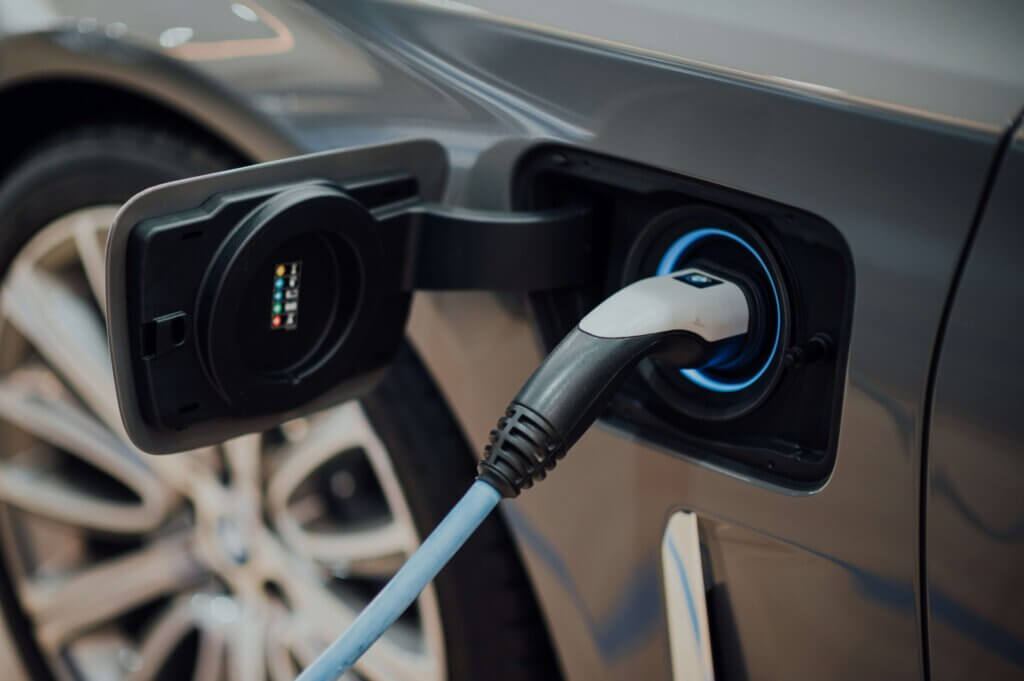
The rise of electric vehicles is one of the most significant structural shifts the global commodity markets have seen in decades. As governments around the world accelerate their net-zero commitments and consumers increasingly embrace cleaner forms of transport, the demand for the metals that make electric vehicles possible has surged to levels that are reshaping mining industries, supply chains, and investment strategies worldwide.
For traders, investors, and industry professionals, understanding the relationship between electric vehicle adoption and metal commodities is no longer a niche interest. It is essential knowledge for navigating the markets of the present and the future.
How Has the Rise of Electric Vehicles Changed Global Commodity Demand?
The rise of electric vehicles has triggered one of the most significant structural shifts in global commodity demand in modern history. Unlike traditional internal combustion engine vehicles, which are primarily steel- and aluminium-intensive, electric vehicles require a fundamentally different and far broader range of metals.
The shift has been dramatic in scale. The surge has forced mining companies to accelerate exploration and production, prompted governments to develop critical mineral strategies, and reshaped how commodity traders, analysts, and investors approach the metals market. The electric vehicles revolution has essentially created a new commodity supercycle, one driven not by traditional industrial growth but by the global decarbonisation agenda.
Which Metals Are Most Important for Electric Vehicle Production?
Electric vehicles rely on a broader and more complex basket of metals than conventional vehicles, and the specific mix varies depending on battery chemistry and motor design. Lithium is the foundational metal of the EV battery revolution, present in virtually every electric vehicle battery chemistry currently in commercial production. Copper is critical across the entire electric vehicle ecosystem.
Nickel, cobalt, and manganese are key components of the dominant NMC battery chemistry used by many major automakers, while graphite, both natural and synthetic, makes up the largest volume of material in most electric vehicle battery anodes. Together, these metals form what is increasingly referred to as the “EV metals basket”, which is a group of commodities whose fortunes are now inextricably linked to the pace of global electric vehicle adoption.
What Are the Risks of Investing in EV Metal Commodities?
Investing in electric vehicle metal commodities offers significant upside potential, but it comes with a distinct and complex set of risks that investors need to understand clearly before entering the space. Supply concentration is one of the most significant, a handful of countries control the majority of production for most critical electric vehicle metals, meaning that export restrictions or domestic policy changes in those nations can trigger sharp and unpredictable price swings. Battery technology risk is another major consideration.
The electric vehicle metals market is highly sensitive to shifts in battery chemistry, and a breakthrough in solid-state batteries or a widespread move to lithium iron phosphate chemistry could dramatically reduce or eliminate demand for certain metals like cobalt almost overnight.
What Impact Do Electric Vehicles Have on Metal Commodities?
The electric vehicle revolution has had a profound and wide-ranging impact on metal commodity markets, fundamentally altering demand patterns, price dynamics, and investment flows across the mining and metals sector.
At its most basic level, electric vehicles have shifted the centre of gravity of metal demand away from traditional bulk commodities like iron ore and thermal coal toward a new generation of battery and technology metals that were previously marginal in the global commodity landscape. This shift has created new winners and losers within the metals complex, with battery metals experiencing extraordinary demand growth while fossil fuel-adjacent commodities face long-term structural decline.
How Have Metal Commodity Prices Responded to the Electric Vehicle Revolution?
Metal commodity prices have responded to the electric vehicle revolution in ways that reflect both the enormous excitement around the energy transition and the complex realities of supply and demand dynamics in commodity markets. The initial phase of electric vehicle-driven demand excitement produced extraordinary price spikes across the battery metals complex.
Copper, meanwhile, has maintained a more sustained upward trend, supported by the broad-based nature of its role across the entire electric vehicle and renewable energy ecosystem.
How Are Commodity Exchanges Responding to the Rise of Electric Vehicle Metals?
Commodity exchanges around the world have moved quickly to develop new products, contracts, and indices that reflect the growing importance of electric vehicle metals in global commodity markets. The development of more liquid, exchange-traded electric vehicle metal contracts is a critical step in the maturation of this market.
It allows miners, battery manufacturers, automakers, and financial investors to manage price risk more effectively and gives commodity traders the tools they need to operate in what has become one of the most dynamic and consequential corners of the global commodity complex.