Commodities play a vital role in the global economy, from powering industries to supplying food and raw materials. While all commodities are traded in similar markets, they are generally divided into two main categories: hard commodities and soft commodities.
Understanding the difference between the two provides a stronger foundation for anyone interested in commodity trading or the factors that influence global markets.
What Are Commodities?
A commodity is a basic raw material or agricultural product that can be bought and sold. Because commodities of the same type are largely interchangeable, they can be traded on commodity exchanges around the world.
Commodity prices are influenced by a wide range of factors, including supply and demand, economic conditions, geopolitical events, and weather patterns. Although all commodities share these characteristics, the way they are produced creates an important distinction between hard and soft commodities.
What Are Hard Commodities?
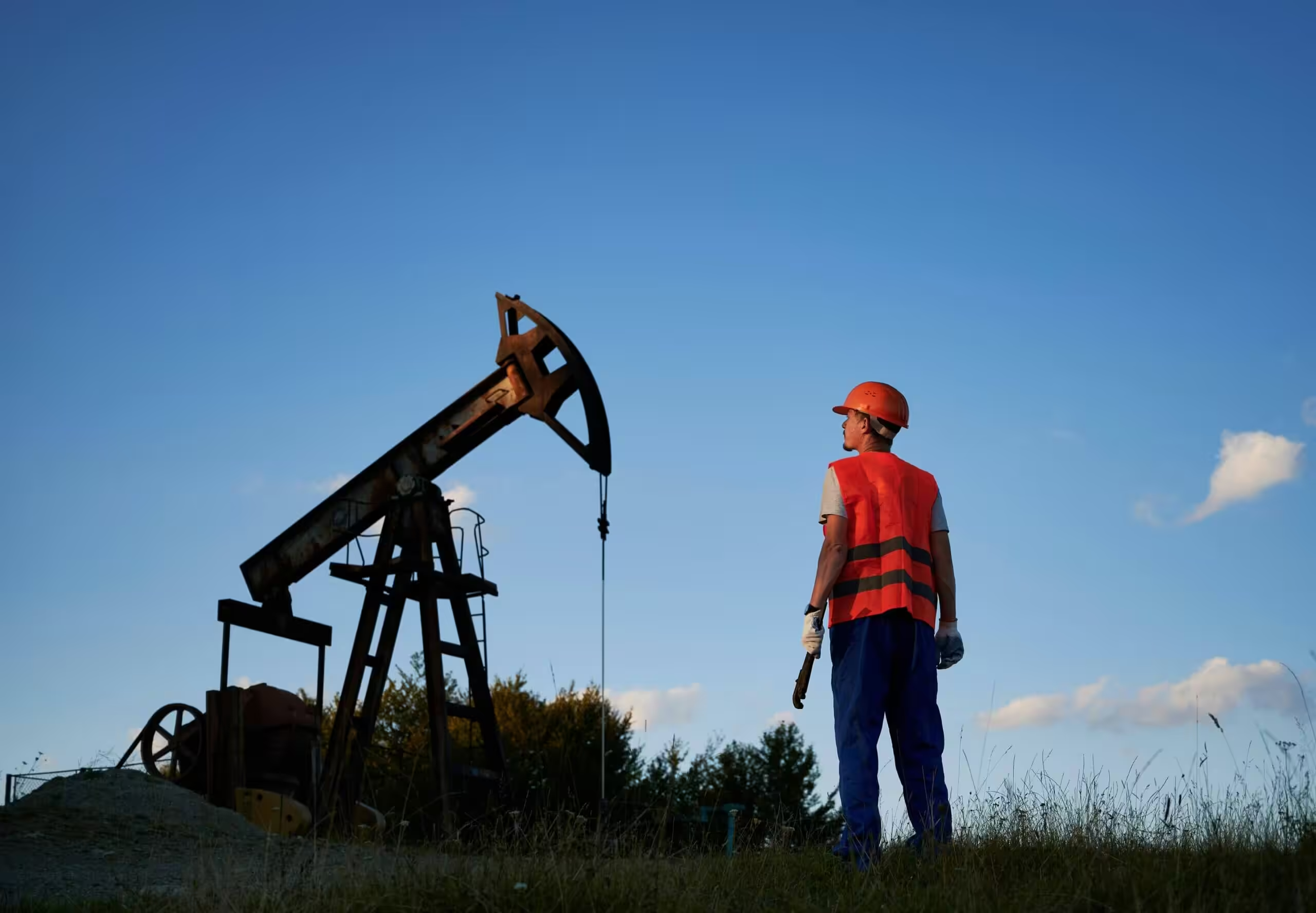
Hard commodities are natural resources that are extracted or mined from the earth. They are typically used in manufacturing, construction, energy production, and industrial processes. Some of the most common hard commodities include:
- Crude oil
- Natural gas
- Gold
- Silver
- Copper
- Iron ore
Because hard commodities are finite resources, their supply is often influenced by mining capacity, production costs, geopolitical tensions, and government policies. For example, disruptions to oil production or mining operations can quickly affect global prices.
Gold is another well-known hard commodity, often attracting investors during periods of economic uncertainty as a way to preserve value.
What Are Soft Commodities?
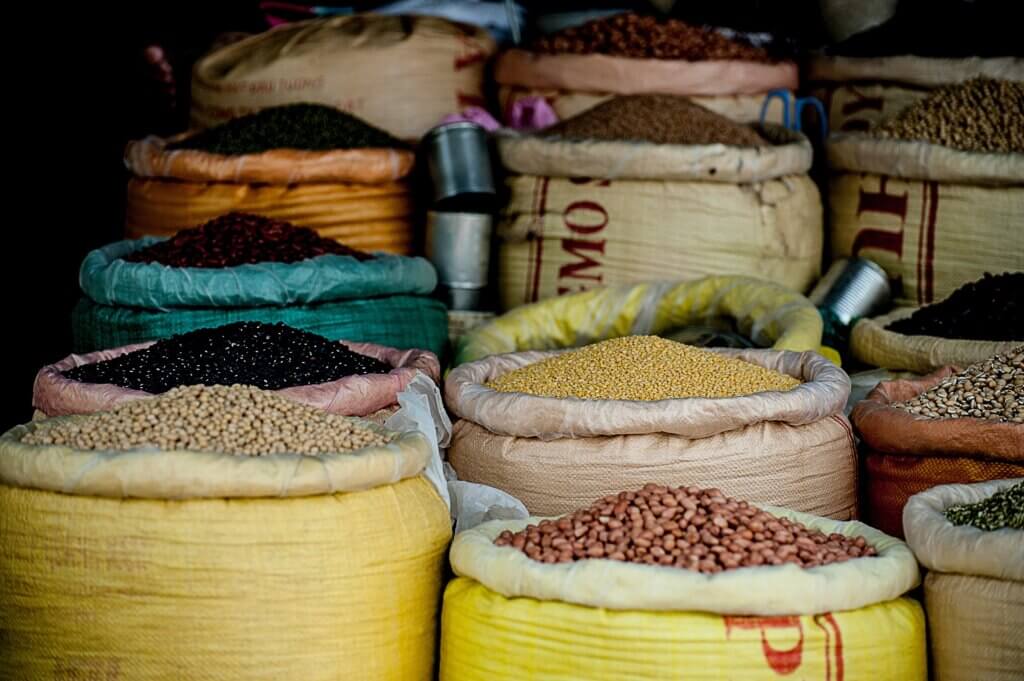
Soft commodities are agricultural products that are grown or raised rather than extracted. Their production depends heavily on climate, growing conditions, and seasonal cycles. Examples of soft commodities include:
- Wheat
- Corn
- Coffee
- Cocoa
- Cotton
- Sugar
- Livestock
Unlike hard commodities, soft commodities are particularly vulnerable to external factors such as droughts, floods, pests, and changing weather patterns. Even a particularly strong harvest can influence prices by increasing supply and creating a surplus in the market. This dependence on environmental conditions often makes soft commodity prices more unpredictable over short periods.
How Do Hard and Soft Commodities Differ?
The biggest difference between hard and soft commodities lies in how they are produced. Hard commodities are extracted from natural reserves, while soft commodities are grown or farmed. As a result, each category responds differently to market events.
For example, the price of oil may rise because of geopolitical conflict or reduced production, whereas coffee prices may increase following poor weather conditions in major growing regions. Although both markets experience volatility, the underlying drivers are often very different.
One important point that is often overlooked is that neither category is inherently more stable than the other. Instead, each reacts to its own unique set of supply and demand factors, making diversification an important consideration for many commodity market participants.
Why Does the Difference Matter?
Understanding whether a commodity is hard or soft helps explain why prices move the way they do. It also provides valuable context when analysing market trends or assessing potential risks.
For businesses, recognising these differences can support better purchasing decisions and risk management strategies. For investors and traders, understanding the factors that influence each category makes it easier to interpret market developments and identify opportunities.
Why Understanding Commodity Types Is Important
Hard and soft commodities each play an essential role in the global economy, yet they respond to different market forces. Hard commodities are shaped largely by resource availability, production capacity, and geopolitical developments, while soft commodities are heavily influenced by weather, seasonality, and agricultural conditions.
Understanding these differences provides a clearer picture of how commodity markets operate. Whether analysing market trends, managing business risks, or building knowledge of commodity trading, recognising the characteristics of both hard and soft commodities is an important place to start.